
80% green electricity in the nature network: SBTi climate target achieved
- MartinBauer and its nature network sister companies have considerably expanded use of renewable energies since 2020
- the nature network achieved SBTi target of 80% green electricity by the end of 2025
- Next important milestone: 100% green electricity by 2030
the nature network, whose sites include MartinBauer and PhytoLab in Vestenbergsgreuth, has reached an important milestone in its climate strategy, achieving its interim target as validated by the Science Based Targets initiative (SBTi). That was to increase the share of green electricity in the energy mix to 80% by 2025 – and that can now be checked off. In 2025, a total of 3,249,809 kWh of the energy used by the nature network came from its own electricity generation.
the nature network has continually increased the share of green electricity since 2020. “We have now achieved our intermediate target of 80% green electricity,” says Gisbert Braun, Head of Group Sustainability at the nature network. “That shows that it’s possible for even large, international companies to make good progress in the switch to renewable energies. And now we have our sights set on the next target: 100% green electricity by 2030.”
The group’s German sites have been powered exclusively by green electricity since 2021, supplementing the supply with electricity from their own photovoltaic plants (813,469 kWh). Now, group members elsewhere in the world have made their own considerable contribution toward this achievement becoming a reality for the nature network as a whole.
Different conditions apply in different parts of the world
the nature network’s endeavor to increase its use of green electricity around the world is subject to varying regulatory conditions, market structures and certification systems. So that it can apply comparable standards across the group, the nature network developed its own criteria for recognizing green electricity and certification systems. These distinguish between full green electricity certification in accordance with TÜV and locally recognized green electricity certification based on national systems elsewhere.
In Poland, for example, green electricity documentation is based on a national register of guarantees of origin. The Polish members of the nature network obtain green electricity certification via this register and can demonstrate, for example, whether the electricity was generated from biomass or another energy source. The Polish sites also generate 265,745 kWh annually from their own photovoltaic plants.
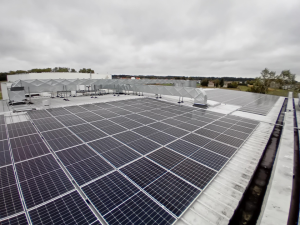
Photovoltaic plant at a Polish site: As well as purchasing electricity from renewable sources, the nature network is successively expanding self-generation of solar power at selected sites. Photo: MartinBauer
In China, certification is via state-regulated Green Electricity Certificates (GECs). As well as purchasing green electricity, MartinBauer in China has its own photovoltaic plants that allow it to generate 362,085 kWh on site from solar energy.
These two examples show how different national approaches can be successfully integrated within a joint sustainability strategy.
Next milestone in 2030
Having achieved its SBTi-validated interim target, the nature network has its sights set on the next step. It aims to successively increase the share of green electricity in its energy mix until it reaches 100% by 2030. Implementation of this strategy will continue as it has to date, with transparent certification and documentation, and consistent assessment across various energy markets.